The Toxins Lurking in Your home: What You Need to Know

They’re more common than you think

Toxic chemicals have become increasingly common in consumer products over the last century. According to the EPA, the average American home contains over 62 toxic chemicals, many of which are known carcinogens. Cancer rates have skyrocketed by over 50% in the last 50 years, and scientists believe everyday chemical exposure plays a significant role. It’s time we become aware of the dangerous toxins lurking in our homes.

Many common household products contain toxic chemicals that can be hazardous to our health. Here are some of the most common toxins found in consumer goods and the health risks associated with them:

1. Phthalates: Phthalates are used to soften plastics and can be found in scented products like Glade air fresheners, Tide laundry detergent, and Dove personal care products. They are endocrine disruptors and have been linked to issues like infertility and developmental disorders. A 2018 study found phthalates in over 70% of commonly used cosmetics. 

2. Perchloroethylene or “perc”: Perc is a common dry cleaning solvent and spot remover found in products like Resolve and Shout. It is a neurotoxin and carcinogen. Exposure can cause dizziness, headaches, and damage to the liver, kidneys, and central nervous system. According to the CDC, perc is present in the blood of over 75% of Americans.

3. Triclosan: Triclosan is an antibacterial agent found in soaps like Dial, toothpastes like Colgate Total, and cosmetics. It kills both good and bad bacteria and may lead to antibiotic resistance. Triclosan is also an endocrine disruptor that can interfere with hormone function. Over 75% of Americans have detectable levels of triclosan in their urine. 

4. Quaternary ammonium compounds or “quats”: Quats are antibacterial agents found in many cleaners like Lysol, fabric softeners like Downy, and laundry sheets like Bounce. Like triclosan, quats can promote antibiotic resistance and are irritants that may cause reproductive harm.  Quats have been found in the blood of over 95% of Americans tested. 

5. Butoxyethanol: Butoxyethanol is a solvent used in window cleaners like Windex, kitchen cleaners like Formula 409, and all-purpose cleaners like Fantastik. Exposure can lead to nausea, dizziness, and damage to the lungs, liver, kidneys, and central nervous system. Butoxyethanol is ranked in the top 10 highest volume chemicals used in consumer products.

6.  Ammonia: Ammonia is used in window cleaners, bathroom cleaners, and other household products as a disinfectant and polishing agent. It is a severe respiratory irritant that can cause asthma, bronchitis, and even pulmonary edema. Ammonia is considered one of the most ubiquitous air pollutants in the US.

7. Chlorine: Chlorine is used as a disinfectant and bleaching agent in both household cleaners like Clorox and municipal water treatment. Exposure to chlorine can cause respiratory irritation, damage the thyroid and reproductive system, and may lead to cancer over time.  According to studies, chlorinated tap water contains high enough levels of chlorine byproducts to increase the risk of certain cancers by up to 93%.

8. Sodium Hydroxide: Sodium hydroxide, or lye, is found in oven cleaners like Easy-Off and drain cleaners like Drano. It is an extremely corrosive chemical that can cause severe burns, damage to the esophagus and stomach, and permanent eye damage. According to Poison Control data, over 10,000 children are exposed to sodium hydroxide drain cleaners every year. While sodium hydroxide does have industrial uses, many experts argue that its high toxicity and corrosiveness make it too dangerous for home use.

In summary, many common household products contain dangerous chemicals. Be an informed consumer and opt for natural, non-toxic alternatives whenever possible. Your health depends on it!
The Dirty Truth About Toothbrushes: Why You Should Never Share

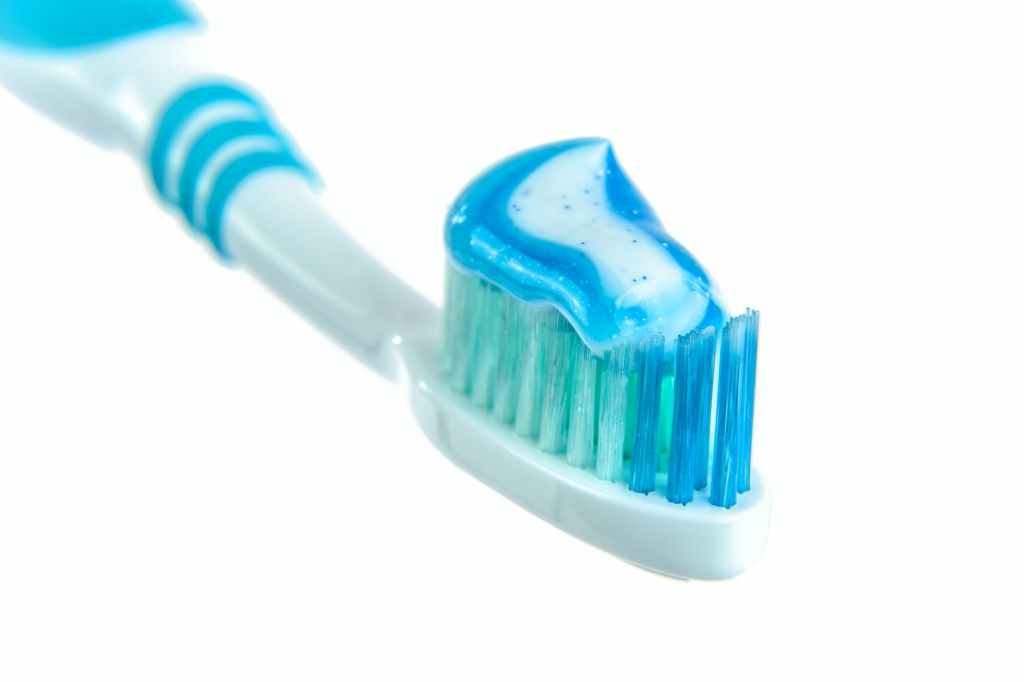
The average toothbrush contains over
10 millions bacteria

As professional cleaners, we see many unsanitary habits that can negatively impact health. One practice we often notice is people sharing toothbrushes. While it may seem harmless between partners or family members, toothbrushes are actually teeming with bacteria, viruses, and germs.

Toothbrushes provide the perfect breeding ground for microbes. After each use, bristles retain bits of food, saliva, plaque, and even traces of blood – a veritable buffet for bacteria. Studies reveal over 10 million colonies can form on a single brush, including various strains of E. coli, staph, and herpes simplex virus.

Sharing any part of a toothbrush – whether the handle or brush head – exposes you to the full spectrum of microbes inhabiting another person’s mouth. This includes pathogens that cause common illnesses like colds, flu, and oral herpes. The risks far outweigh any perceived benefit of shared brushing.

Proper hygiene is essential for oral health. The only way to stay clean is with your own, individual toothbrush. Be sure to rinse thoroughly under running water after brushing to flush away debris. Let your brush air dry fully in an upright position, away from the bathroom. Bacteria spread easily through toilet plumes, so avoid leaving your brush vulnerable where other microbes may contaminate it.

Some toothbrushes come with UV sanitizing lights that are highly effective at eliminating harmful bacteria residing on your toothbrush. Use these 1-2 times a week. Additionally, replace your toothbrush every 3-4 months, or sooner if the bristles become frayed. Toothbrushes become worn over time, making them less effective at removing plaque and more hospitable for bacteria to colonize. Replacing your brush or brush head regularly helps eliminate built-up microbes.

For health and hygiene, make a commitment to never share toothbrushes. Proper cleaning and regular replacement are simple ways to protect yourself and loved ones from potential illness. Let us know if you need any other advice on maintaining a clean, germ-free home environment.

– The professionals at Choice Cleaning Solutions LLC.

The Bathroom: A Germ Hotspot You May Be Missing

As the room where we care for our basic hygiene needs, the bathroom can harbor more harmful bacteria than other areas of the home. From showering to using the toilet to washing our hands, bathrooms are regularly exposed to fluids from our bodies that may contain pathogens. Two items in particular – bath mats and hand towels – deserve extra attention in your cleaning routine due to the moist, warm environment they are exposed to on a daily basis.

Bacteria Thrive in Moist Warmth

Certain types of bacteria prefer dark, moist environments like those found in bathrooms. Staphylococcus aureus and Pseudomonas aeruginosa are opportunistic pathogens commonly found on skin and that can cause infections when the opportunity arises. These bacteria thrive in the warm, humid conditions under bath mats and inside damp hand towels.

Moisture is also the perfect breeding ground for mold. Common bathroom molds like Aspergillus and Penicillium produce allergens and mycotoxins that can cause respiratory issues when inhaled. Without proper cleaning and drying, mold spores can proliferate quickly on bath mats and hand towels left soggy after each use.

Drug-Resistant Bacteria a Growing Concern

With the rise of antibiotic-resistant “superbugs”, it’s more important than ever to reduce the spread of harmful bacteria in our homes. Multi-drug resistant organisms (MDROs) like MRSA (Methicillin-resistant Staphylococcus aureus) are difficult to treat and can be passed from person to person via direct contact or contaminated surfaces. Bacteria harbored on damp bath linens could potentially be transmitted throughout a household on unwashed hands.

Keeping Bathrooms Clean and Dry

To prevent bathroom items like bath mats and towels from becoming breeding grounds for dangerous pathogens, it’s crucial to:

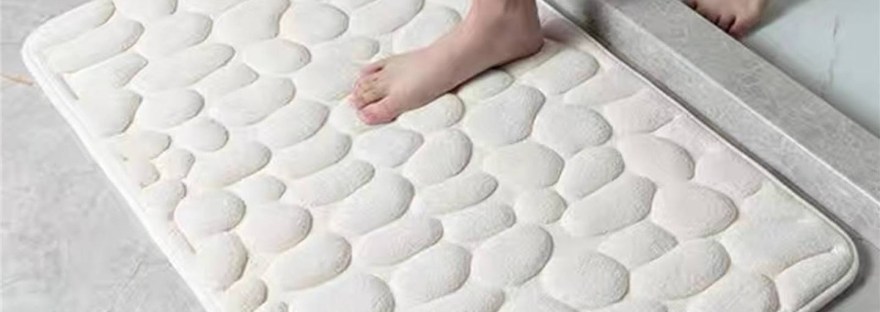
– Wash bath mats at least weekly in hot water with bleach or antimicrobial detergent

– Replace hand towels twice a week with fresh, clean towels

– Ensure all surfaces including walls and floors are thoroughly dried after use

– Consider using a space heater to wick moisture from the air between shower sessions

A diligent bathroom cleaning routine focused on eliminating excess moisture can go a long way in protecting household health and reducing the spread of harmful bacteria and mold throughout your home.